
LIMITED TIME OFFER — First Month Only $100 | Start Your Weight Loss Journey Today *Semaglutide Only
Weight Loss Medications
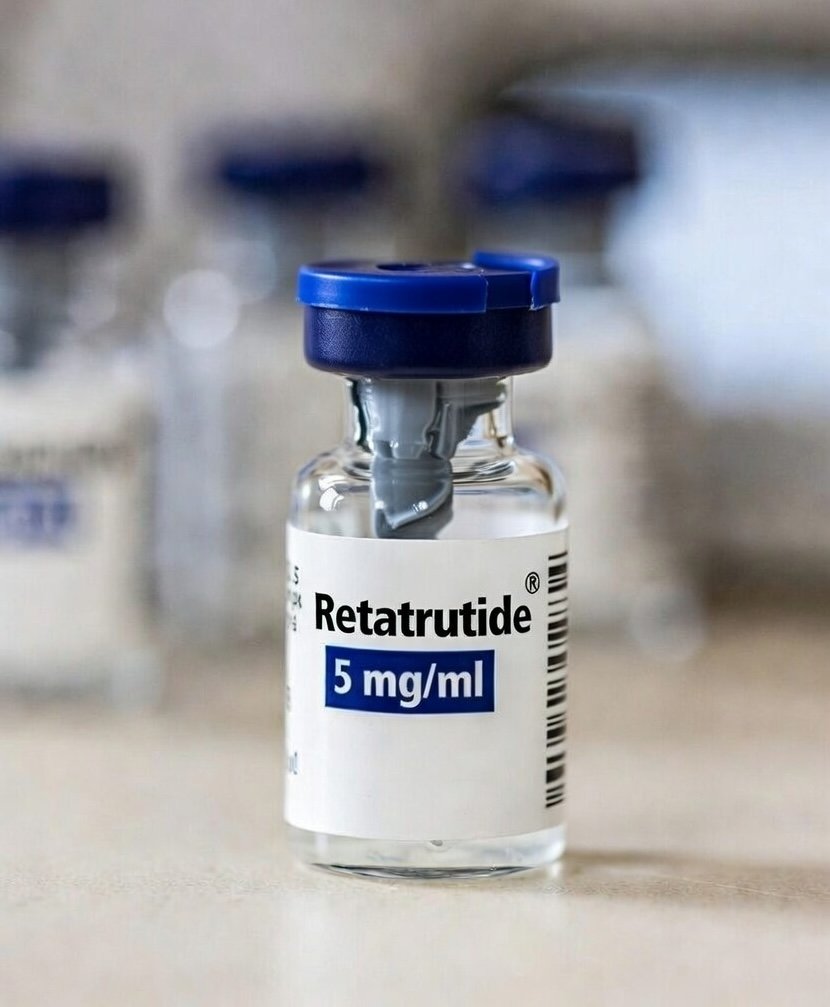
(GLP-1 + GIP + Glucagon (triple agonist)
GLP-1 and incretin-based injectable therapies may be incorporated into individualized medical weight loss programs following physician evaluation.
Prescription Only • Consult Required
Retatrutide
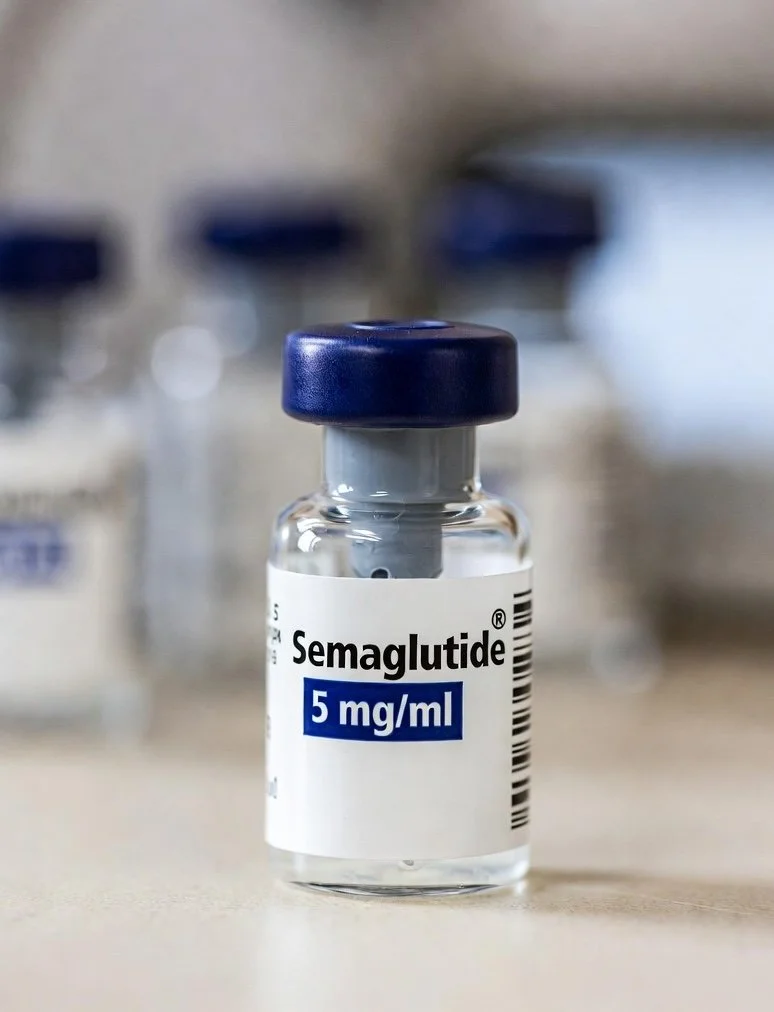
(GLP-1 receptor agonist)
GLP-1–based injectable therapies may be recommended after medical evaluation.
Prescription Only • Consult Required
Semaglutide
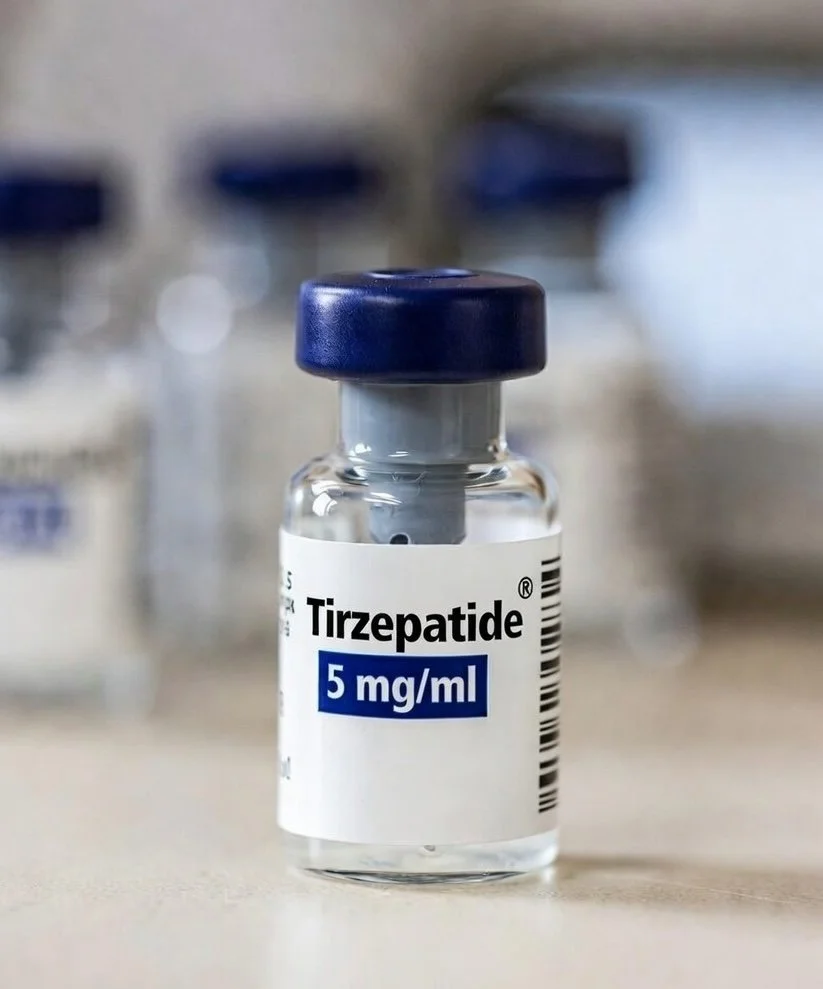
(GLP-1 / GIP dual agonist)
GLP-1–based injectable therapies may be recommended after medical evaluation.
Prescription Only • Consult Required
Tirzepatide

Frequently Asked Questions
-
GLP-1 medications are treatments that mimic a naturally occurring hormone involved in appetite regulation, blood sugar control, and metabolism. These medications help reduce hunger signals, slow gastric emptying, improve insulin response, and support sustainable fat loss rather than short term dieting. Treatment is individualized and combined with medical monitoring to support long term metabolic health.
-
Weight loss varies based on metabolism, lifestyle, and adherence to treatment. Many patients experience gradual and sustained weight reduction over several months. Clinical studies of GLP-1 therapies demonstrate meaningful weight loss when combined with nutrition guidance, activity, and ongoing medical supervision. The goal is steady fat reduction while preserving overall health and metabolic function.
-
Both medications are effective GLP-1 based therapies but work slightly differently. Semaglutide primarily targets GLP-1 receptors, while tirzepatide acts on both GLP-1 and GIP pathways, which may enhance metabolic response in some patients. The most appropriate option depends on medical history, treatment goals, tolerance, and provider assessment. Your clinician determines the best therapy after evaluation.
-
When treatment is properly managed, muscle loss can be minimized. Medical programs focus on adequate protein intake, metabolic support, and strength based activity to help preserve lean muscle mass during weight loss. Maintaining muscle is an important part of long term metabolic health and is addressed throughout treatment planning.
-
Treatment duration varies by individual goals and metabolic response. Some patients use therapy for several months, while others benefit from longer term metabolic support. The objective is to improve underlying metabolic health and develop sustainable habits rather than relying on short term medication use alone.
-
After discontinuation, appetite signaling may gradually return to baseline. Patients who transition with a structured maintenance plan, nutrition guidance, and metabolic support strategies are more likely to maintain results. Providers work with patients to create a personalized transition plan when therapy is reduced or stopped.
-
Yes. All therapies are prescribed and monitored by licensed medical professionals. Treatment plans include clinical evaluation, medical history review, and ongoing monitoring to ensure safety, effectiveness, and appropriate dosing adjustments.
-
When clinically appropriate, medications may be prepared by a registered, compliant compounding pharmacy operating under applicable state and federal regulations. Compounded medications are prepared pursuant to a valid prescription and individualized for patient specific treatment needs.
-
Medication and treatment supplies are shipped directly to the patient’s home. Shipments follow established cold chain handling requirements when necessary to maintain medication stability and integrity during transport.
-
GLP-1 therapy may benefit individuals struggling with weight management, insulin resistance, metabolic syndrome, or weight related health concerns. Eligibility is determined after medical evaluation to ensure treatment is appropriate and safe.